
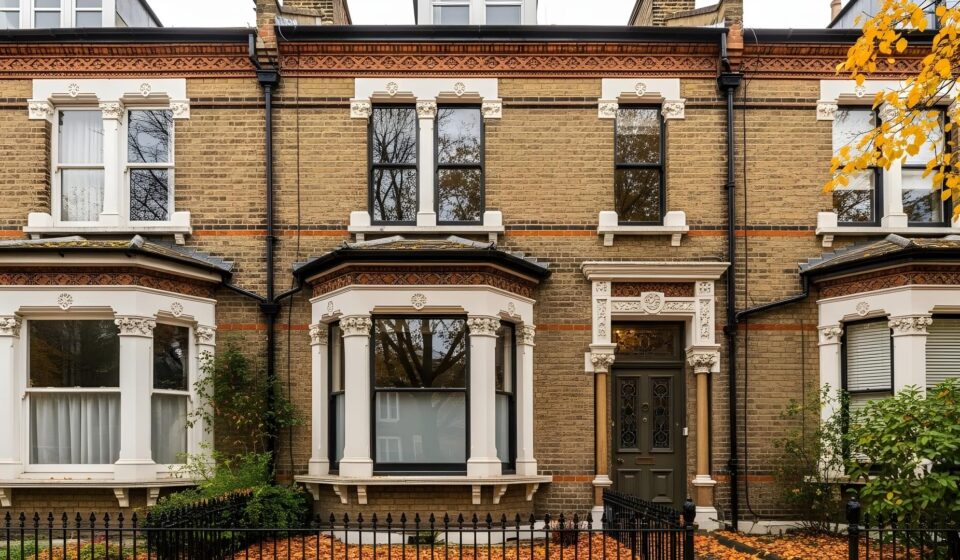

Older homes are an important part of Britain’s housing landscape. From traditional stone cottages and Victorian terraces to early twentieth-century properties, these buildings often feature distinctive architecture, established surroundings and considerable character.
However, many were constructed before modern expectations around insulation and energy efficiency became widespread.
As a result, maintaining comfortable indoor temperatures can be more challenging, particularly during colder months. Draughts, insufficient insulation and outdated heating controls may all contribute to unnecessary heat loss.
Fortunately, improving energy efficiency doesn’t always require extensive renovation. A combination of sensible maintenance, targeted upgrades and a better understanding of how a property performs can make a noticeable difference.
Identifying Where Heat Is Being Lost
Before undertaking improvements, it helps to understand where a property may be losing heat.
Common problem areas include roofs, external walls, windows, doors and gaps around pipework or other openings.
In some homes, cold spots and noticeable draughts provide obvious clues. In others, the causes may be less apparent.
A professional energy assessment can help identify potential improvements and highlight areas where investment may provide the greatest benefit.
Roof spaces are often worth examining because insulation levels can vary considerably between properties.
Older loft insulation may be insufficient, unevenly distributed or disturbed by previous work.
Windows and doors can also contribute to discomfort, particularly where seals have deteriorated or frames no longer fit properly.
However, replacing every window is not always the most practical starting point.
Addressing obvious gaps and improving existing fittings may offer worthwhile benefits at a lower cost.
It’s important to consider the building as a whole, particularly in traditional properties where moisture movement and ventilation require careful management.
Improving Insulation Without Compromising the Building
Insulation is one of the most familiar approaches to reducing unwanted heat loss, but older properties require appropriate materials and installation methods.
Loft insulation may be relatively straightforward where the roof space is accessible and suitable.
Care should be taken to maintain necessary ventilation and avoid blocking airflow around the roof structure.
Wall insulation can be more complicated.
Some older buildings have solid walls rather than modern cavity construction, and inappropriate insulation systems can create moisture-related problems.
Traditional stone buildings, including many found across Scotland, may rely on construction methods that allow moisture to move through materials differently from modern buildings.
For this reason, specialist advice can be particularly valuable before installing internal or external wall insulation.
Floors may also be responsible for some heat loss, especially where suspended timber construction allows cold air to circulate beneath the property.
Improvements should be assessed carefully to ensure that ventilation and moisture control are not compromised.
The most suitable solution depends on the age, construction and existing condition of the home.
Reducing Draughts and Improving Everyday Comfort
Draught-proofing is often among the more accessible improvements available to homeowners.
Small gaps around external doors, window frames, loft hatches and service penetrations can allow cold air to enter and warm air to escape.
Suitable seals, brushes and draught excluders may help reduce unwanted airflow.
Even simple measures such as maintaining door seals or repairing poorly fitting windows can improve comfort.
However, draught-proofing should not be confused with eliminating ventilation.
Homes require adequate airflow to manage moisture, maintain indoor air quality and support safe operation of certain heating appliances.
Extractor fans, purpose-provided vents and other essential ventilation features should not be blocked.
This distinction is particularly important in older properties where condensation and dampness may already be concerns.
Window coverings can also contribute to comfort.
Well-fitted curtains or blinds may help reduce the sensation of cold near glazing, especially during winter evenings.
These measures will not replace proper insulation, but they can form part of a wider approach to improving the indoor environment.
Making Heating Systems Work More Effectively
Energy efficiency is not solely about preventing heat from escaping. It also involves making effective use of the heating system already installed.
Older homes may have heating controls that provide limited flexibility or make it difficult to maintain consistent temperatures.
Programmable thermostats, thermostatic radiator valves and suitable zoning arrangements can offer greater control over when and where heat is supplied.
Regular maintenance is equally important.
Heating systems that are poorly maintained may operate less effectively, while problems such as trapped air in radiators can affect comfort.
Homeowners should use appropriately qualified professionals for work involving gas appliances, electrical installations and other regulated systems.
Where a heating system is approaching the end of its useful life, it may be worth exploring replacement options.
However, the best choice depends on the property’s heat demand, insulation, available infrastructure and installation requirements.
For example, heat pumps can be suitable for many properties, but careful design and assessment are important.
Improving the building fabric before or alongside heating upgrades may help ensure that a new system performs effectively.
Taking a Sensible, Long-Term Approach
Making an older home more energy efficient is often best approached as a series of considered improvements rather than one major project.
Basic maintenance, appropriate draught-proofing and an assessment of existing insulation can provide a useful starting point.
More substantial work may then be planned around the property’s condition, available budget and long-term objectives.
Homeowners should also check whether planning restrictions, listed-building requirements or conservation-area considerations apply before making visible alterations.
The goal should be to improve comfort and reduce unnecessary energy use while respecting the building’s construction and character.
With suitable advice and carefully selected improvements, older homes can become more comfortable and efficient without losing the features that make them distinctive.